
New Dems Show How The Party Can Fight for the Future

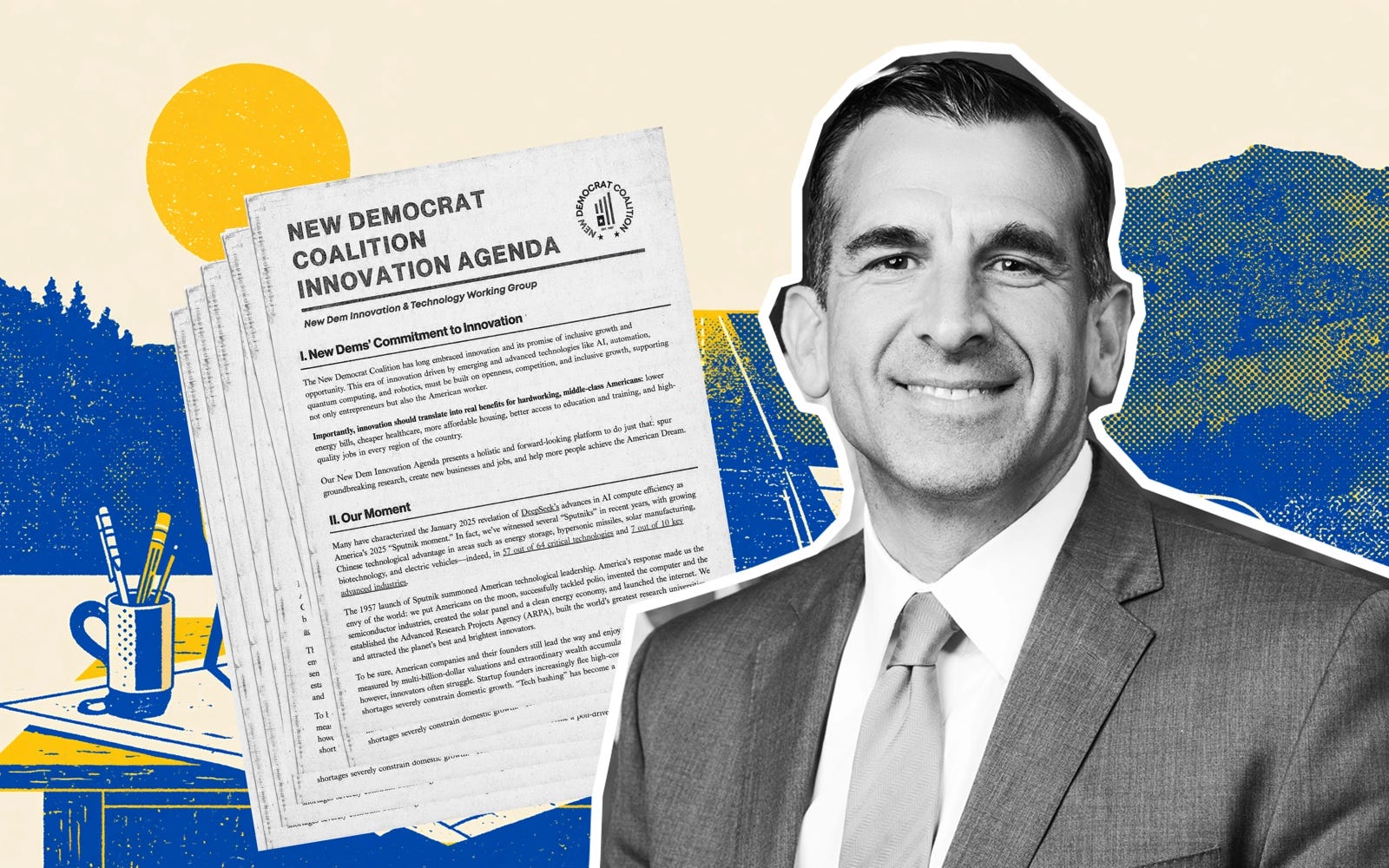
In February 2025, House Minority Leader Hakeem Jeffries made a trip to Silicon Valley in what Politico described as an effort to “mend fences”:
In Northern California, Jeffries and Rep. Sam Liccardo, the freshman Democrat who represents part of Silicon Valley, were working to stem further defections and to rally Democratic-leaning donors to their side. To the crowd, which included several major Democratic bundlers, as well as California Reps. Jimmy Panetta, Mike Levin and George Whitesides, Jeffries described his party’s efforts to push back on Trump and outlined their campaign to retake the House in 2026, according to four people who attended the event and were granted anonymity to describe a private meeting.
The overture was smart. But the biggest surprise is that, according to Politico, Jeffries didn’t mention tech issues at the event:
In Silicon Valley, Jeffries did not independently raise tech issues, despite facing a room anxious to hear how Democrats might approach AI and crypto policies in the next Congress, several people who attended said. A second person who attended the event said they were frustrated that much of Jeffries’ comments focused on Trump.
“When will we move off this posture of complaining and moaning about Trump,” the person said. “What positive ideas will Democrats offer to people to bring people back in?”
The event was seemingly a wake-up call for Jeffries, who perhaps didn’t realize the depth of Valley leaders’ concern that the party had drifted away from championing innovation:
That person said Jeffries has time to assuage Democratic-leaning tech leaders and “reestablish strong ties with the tech community.” However, the attendee said, “there’s work that needs to be done, and that begins with an acknowledgement that this last campaign was not their best work.”
Jeffries, at the event, “rightly sensed” the “anxiety in the crowd that the opportunity was slipping away and Democrats need to do a lot of things in a short period of time to prevent the realignment of tech with the Republican Party from becoming much more permanent,” the person continued.
It’s clear that Democrats need help reconnecting with the country’s innovation leaders. That’s where Rep. Sam Liccardo and the New Democrat Coalition come in.
Enter the New Democrats
The New Democrat Coalition Innovation Agenda provides the right foundation. Led by Rep. Sam Liccardo, chair of the coalition’s Innovation and Technology Working Group, the agenda – released in July 2025 – offers Democrats a positive program for ensuring that technological progress creates jobs, lowers costs, improves public services, strengthens national security, and expands opportunity.
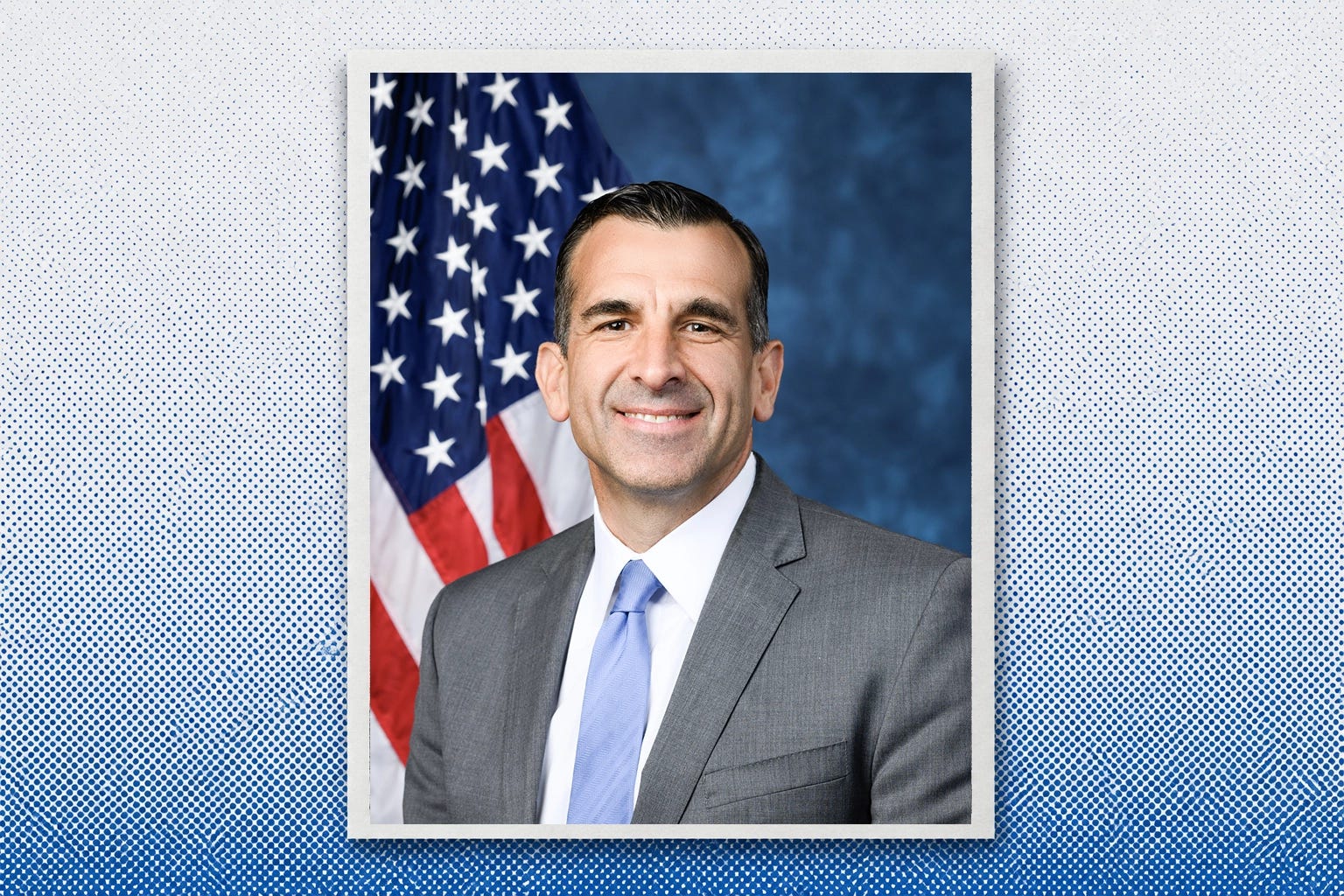
Liccardo represents the heart of Silicon Valley, so it is not surprising that he would be the leading voice for a pro-tech vision of the party. But he’s going beyond that to build a durable political relationship based on responsible innovation, public trust, and tangible benefits for ordinary Americans. It comes at a time when that relationship is badly needed.
The relationship between Democrats and the technology industry has deteriorated far more than many party leaders initially understood. When Liccardo arrived in Washington in early 2025, he met with Jeffries and raised concerns that Democrats were alienating an important part of the political coalition. Liccardo’s agenda is meant to give Democrats a roadmap of ideas for how to reconnect with innovation.
In order to repair the rupture with the tech and innovation industry, Democrats will have to demonstrate that they once again understand innovation as a source of prosperity, opportunity, and national strength.
Liccardo understands the extent of the rupture and the work required to repair it.
His Innovation for Good PAC has brought Democratic lawmakers from competitive districts to Silicon Valley for smaller meetings with technology workers, founders, investors, and donors. These events allow lawmakers to learn more about the industry and develop relationships without a reliance on large super PAC expenditures.
According to The Information, the events have given Democratic candidates an opportunity to connect directly with Valley leaders and innovators - many of whom have a stake in Democrats reforming themselves.
That is a practical model for the Democratic Party: engage the industry, support innovation, develop policy expertise, and build political relationships while maintaining independence required to address the needs of their districts and states.
An Agenda Built Around Opportunity
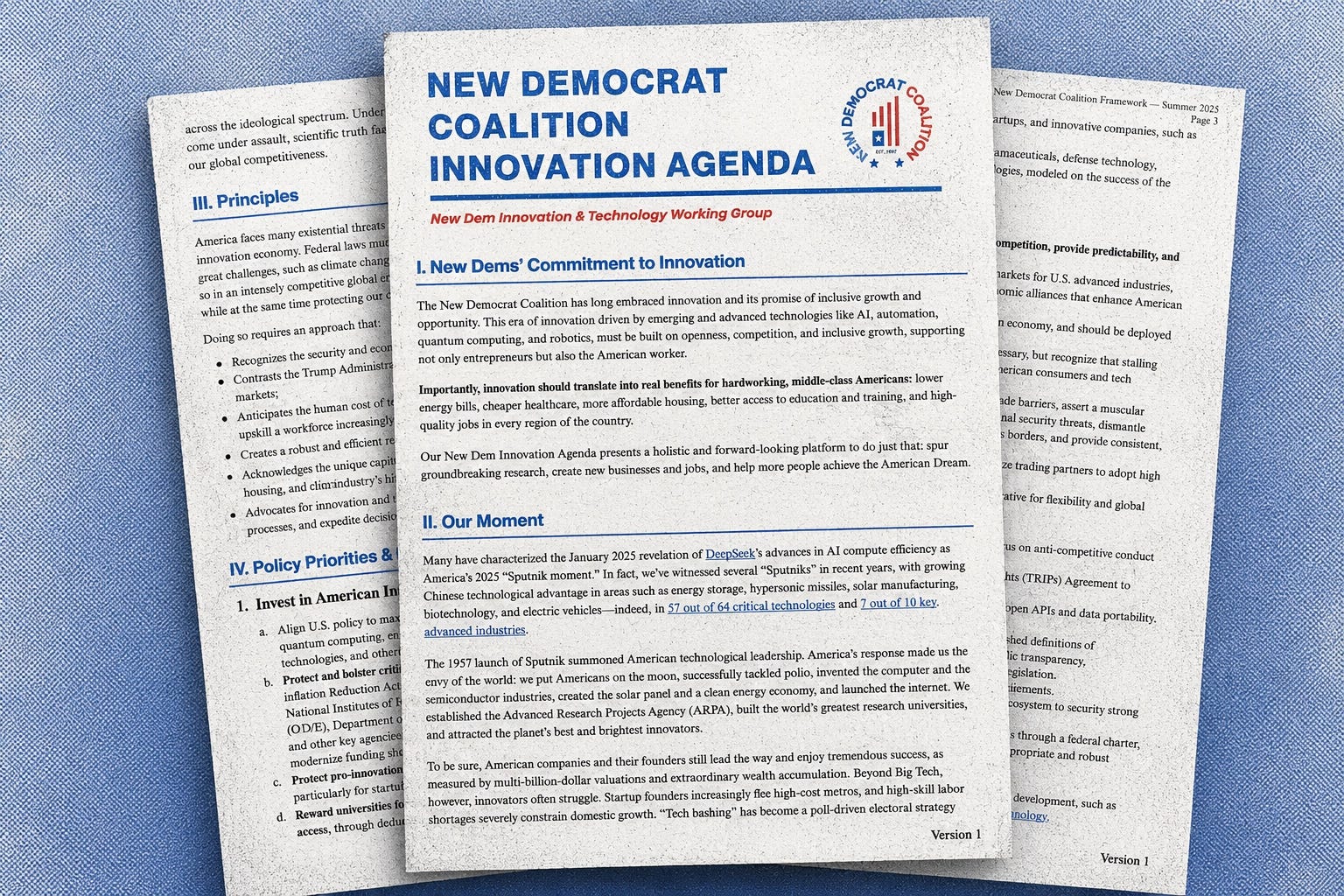
The New Democrat Innovation Agenda begins with a straightforward proposition: technological progress should deliver tangible benefits to middle-class Americans.
That means lower energy bills, cheaper health care, more affordable housing, better education and training, and high-quality jobs in every part of the country. While these may not seem like key tech issues, they are the ones that voters care most about, and strong economic growth and innovation underpin investments in all of these areas.
The agenda supports investment in scientific research, protection of the CHIPS and Science Act, expanded access to capital for startups, stronger domestic manufacturing, high-skill immigration, workforce retraining, and regional technology centers outside the country’s existing technology hubs. It also connects innovation policy to the practical constraints holding back economic growth. The agenda calls for more energy infrastructure, sustainable data-center development, expanded housing construction, modernized public services, and faster adoption of commercial technology by the Defense Department.
Liccardo and the New Dems recognized that innovation policy cannot be limited to punishing a handful of large companies and expecting to be rewarded by small businesses and voters. A successful nationwide tech agenda involves helping entrepreneurs start companies, increasing the supply of housing and energy, modernizing education, and ensuring that workers can participate in the opportunities created by technological change.
Perhaps most importantly, the New Dems approach to AI regulation offers Democrats a credible alternative to both industry self-regulation and indiscriminate efforts to stop technological development. Democrats should work with technology companies, researchers, workers, consumer advocates, and public-interest organizations to develop effective guardrails.
Liccardo and champions in the House can partner with moderate Democrats in the Senate, like Mark Kelly, who have a similar approach to AI development and regulation.
The Agenda Cannot Sit on a Shelf
New Democrats are giving the party a clear, substantive policy roadmap for becoming a pro-future party again. But the party has to listen.
Democrats can and should be the party that believes America should invent, build, discover, and grow.
The task now is for Democrats to turn the New Democrats’ agenda into legislation, political organization, campaign infrastructure, and a recognizable national brand. Silicon Valley leaders can help arrest the anti-tech drift of the Democratic party by working closely with the Democrats in Congress who support innovation.